Product
News
- Pakistan, Afghanistan, Kazakhstan Buyers Notice: Professional Hydraulic Breaker OEM Factory, Strictly Follow Soosan Technical Standards
- Special Offer Hydraulic Breaker Chisels for Middle East Market | Zhengzhou Hanyun Factory Wholesale for Saudi, Egypt, Turkey
- Why do the UAE, Oman, and Morocco prefer the Soosan SB series hydraulic breakers over the Furukawa HB series?
- Iran Post-war Reconstruction Boom | High Demand for Excavators & Hydraulic Breakers | Zhengzhou Hanyun Factory Supply
- Alternative SEO Title SB121 Hydraulic Breaker Order Stalled After Factory Visit: When a Customer Agrees on Price but Never Pays
- How can exporters of hydraulic breakers develop overseas customers? TikTok is becoming a new channel for global buyers to find hydraulic breaker factories.
contacts
Contacts:Jacky Zhang
Phone:+8618937103255
Email:hanyunpsq@gmail.com
Address:No. 167, Xuchang Road, Shangjie District, Zhengzhou City
News
What is the reason for the pressure relief of hydraulic breaker?
Pressure relief of hydraulic breaker is also called leakage. It is one of the common faults of breaker. Once the breaker is relieved, the system pressure cannot be established, and it will cause environmental pollution, increase the downtime of the breaker, reduce productivity, increase production costs, affect production and even produce incalculable serious consequences. Therefore, the leakage of the breaker should be controlled. There are several cases of pressure relief. The leakage of the breaker is mainly divided into leakage at the fixed seal and leakage at the moving seal. So why does pressure relief occur? Let's find out together:
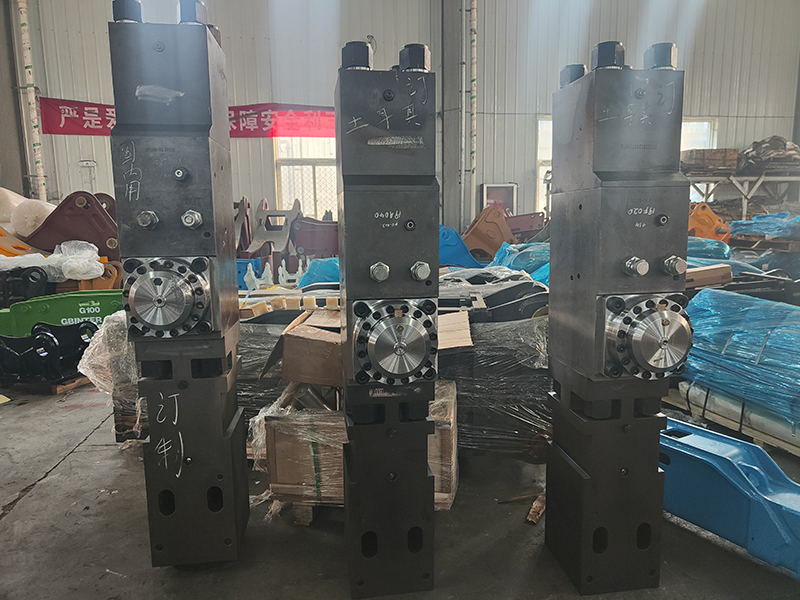
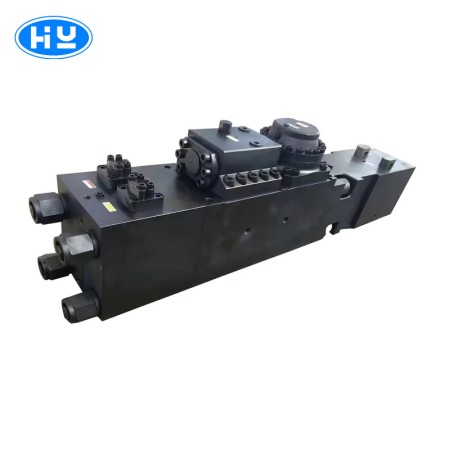
Hydraulic breaker cylinder assembly
1. Assembly factors.
Brutal operation should be avoided during the assembly of hydraulic breaker. Excessive force will cause the parts to deform. The parts should be carefully checked before assembly. When assembling, the parts should be dipped in a little hydraulic oil and gently pressed in. Diesel should be used for cleaning, especially rubber components such as sealing rings, dust rings, and O-rings. If they are cleaned with gasoline, they are easy to age, lose their original elasticity, and reduce the sealing function.
2. Damage to parts.
The seal is made of oil-resistant rubber and other materials. After long-term use, aging, cracking, and damage, it will cause system leakage. If the parts are damaged by collision during operation, the sealing elements will be scratched, causing leakage.
3. Selection of seals.
The reliability of hydraulic breaker depends to a large extent on the design of the seal and the selection of seals. Due to the unreasonable selection of sealing structure in the design, the selection of seals is not in compliance with the specifications, and the compatibility type, load conditions, limit pressure, working speed, and ambient temperature changes of hydraulic oil and sealing materials are not taken into account in the design, which will directly or indirectly cause hydraulic system leakage to varying degrees. In addition, since there are dust and impurities in the use environment of the breaker, appropriate dustproof seals should be selected in the design to prevent dust and other dirt from entering the system to contaminate the oil and damage the seal, thereby causing leakage.
In conclusion, preventing pressure relief in hydraulic breakers is essential to avoid environmental pollution, downtime, and decreased productivity. By focusing on careful assembly, regular maintenance to address damaged parts, and selecting appropriate seals for specific conditions, operators can minimize the risk of leakage and maintain the efficiency of their hydraulic systems, ensuring uninterrupted operations and cost-effective performance on construction sites.